Recovering American Romani History & Discovering “Gypsy Madness”
“They [Roma] are perhaps the one primitive people whom contact with civilization has failed to exterminate”
Irving Brown-1924
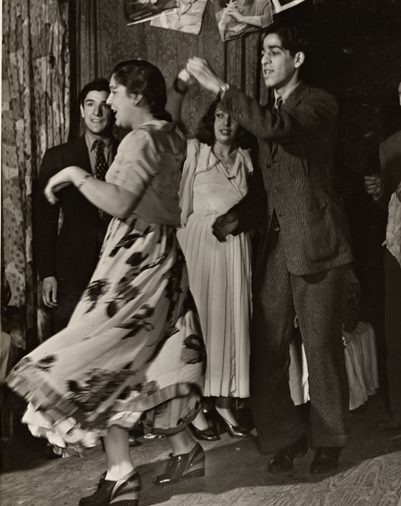
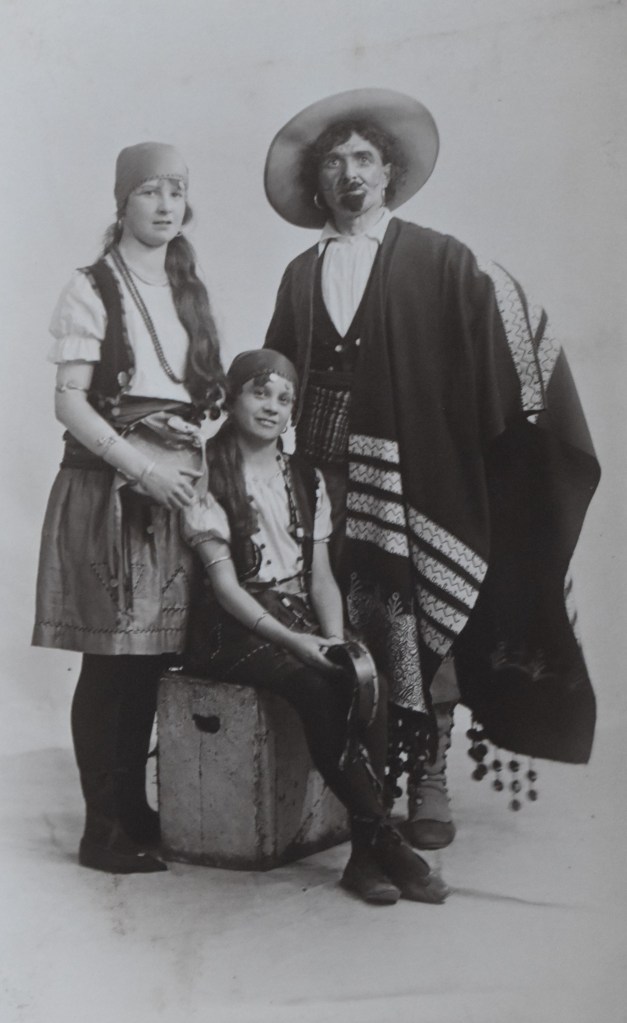
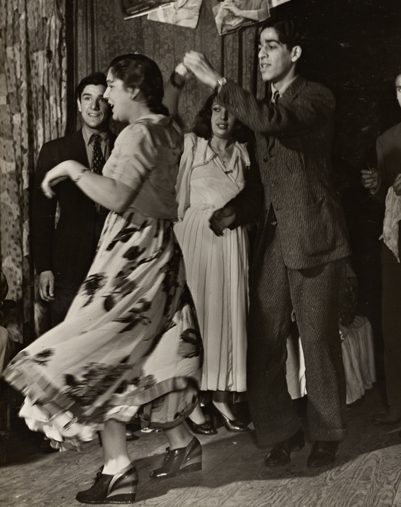
American Roma (often called “Gypsies” in historical materials) have been part of American history since their initial arrival during the era of European colonization. Yet, too often people are unaware of their presence among the masses. Or worse yet, as Irving Brown wrote, their presence was represented as primitive and backwards-adrift in the changing world-instead of tenacious, creative, and adaptable people who made the United States their home. My research uncovers the fascinating history of this diverse group of cultures as they navigated the United States immigration policies, social discrimination, and enhanced policing in urban spaces like New York City.
At the same time my work also explores American’s fascination with the Gypsy as a representation of primitiveness, freedom, and sexual deviance. During moments of immense social change many Americans turned to these representations and stereotypes seeking solace in their supposed freedom and mobility. Yet, the Gypsy representation did more than comfort the masses it also helped downplay the actual Romani people’s contribution to society and flattened their interesting history within the United States. My work examines both of these concurrent histories to uncover the story of American Romani peoples in the United States and reexamine the role of Gypsy representations in our shared history.
-
To see my latest article on “Gypsy Madness” click here
Subscribe
Sign up for a weekly newsletter with the latest blog posts and exclusive content. In your inbox every Tuesday!
 Dalen Wakeley-Smith